WCAG Accessibility: The Secret to E-commerce Growth in Georgia
The 'Invisible' Customer: Why Georgian E-commerce is Leaving Money on the Table
In the bustling digital marketplaces of Georgia, competition is fierce. Every online shop is fighting for the same eyeballs, yet thousands of potential customers are being systematically excluded. We're talking about the 15% of the population living with some form of disability. In Georgia's rush toward digitalisation, web accessibility has often been treated as an afterthought or a "charity" project.
However, in 2026, the narrative has shifted. Web accessibility, specifically adherence to the Web Content Accessibility Guidelines (WCAG), is no longer just about social responsibility—it is a brutal competitive advantage. If your site isn’t accessible, it’s not just difficult for a segment of users; it is literally invisible to Google’s crawlers and unusable for a massive pool of purchasing power.
Why WCAG Compliance is the Ultimate SEO Secret
The crossover between SEO and accessibility is nearly 100%. Google’s primary goal is to provide the most relevant and *usable* result to its users. By following WCAG standards, you are essentially giving search engines a crystal-clear map of your content.
Semantic Structure and Crawlability
Assistive technologies like screen readers rely on Semantic HTML (tags like `<header>`, `<main>`, `<article>`, and `<footer>`) to navigate a page. Coincidentally, these are the exact same markers that search engine bots use to understand the hierarchy of your site. When you use a `<div>` with a large font instead of a proper `<h1>` tag, you are confusing both a blind user and Google’s indexing bot.
The Power of Alt-Text in Image Search
For a web development Georgia firm, we often see product galleries with images named `IMG_5502.jpg`. This is a dual failure. A screen reader will simply say "Image," providing zero value to the user. From an SEO perspective, you’ve missed a chance to rank in image search for your primary keywords. Descriptive alt-text like "Handmade Georgian ceramic bowl with traditional blue patterns" solves both problems instantly.
The Mobile-First Overlap in the Georgian Market
Georgia is a mobile-first nation. From checking bus schedules to ordering grocery delivery, the smartphone is the primary tool. WCAG 2.1 requirements for touch targets and spacing are vital here.
Small, cramped buttons that are hard for a user with motor impairments to click are equally frustrating for a commuter on a bumpy Georgia marshrutka. By increasing your button size to at least 44x44 pixels and ensuring enough white space, you lower your bounce rate and increase conversion across your entire mobile audience.
Accessibility is Not Just for the Blind
A common misconception among local businesses is that accessibility only helps users with total vision loss. In reality, it benefits: - Elderly users who need higher contrast ratios and larger fonts. - Users with temporary impairments (e.g., someone with a broken arm or a glare on their screen while sitting in a sunny cafe in Vake). - Cognitive differences, where clear, predictable navigation prevents confusion and "cart abandonment."
Technical Implementation: Beyond the Basics
Implementing accessibility doesn't mean your site has to look boring. It means it has to be robust. A submit button built from a `<div>` element with a click handler fails keyboard users, screen readers, and mobile touch targets simultaneously. A proper `<button>` element — with an `aria-label` describing the action, a minimum touch target of 48×48 pixels, and keyboard event handling — solves all three with no visual change. This level of structural care is what separates a professional build from a surface-level one, and it's exactly what a top Georgia digital agency should be delivering by default.
The European Accessibility Act: A Warning for Exporters
If your Georgian business exports products or services to the EU, accessibility is no longer optional—it’s a legal requirement. The European Accessibility Act (EAA) mandates that e-commerce platforms and digital services meet strict accessibility standards. Non-compliance can lead to heavy fines and being barred from the European market. By adopting WCAG today, you are future-proofing your business for international expansion.
Where to Start on Your Own Store
The fastest diagnosis is unplugging your mouse and trying to buy something from your own site using only Tab and Enter. If you get stuck anywhere, your customers are getting stuck there too. Separately, run your primary product pages through the WebAIM Contrast Checker — text-to-background ratios below 4.5:1 are particularly common with thin Georgian script on light grey backgrounds. Replacing generic "Read More" links with descriptive text like "Learn more about our UI/UX design services" takes minutes and improves both screen reader usability and anchor text for SEO. Video content should have captions — they help users in loud environments and give search engines additional text to index.
The Business Case for Inclusion
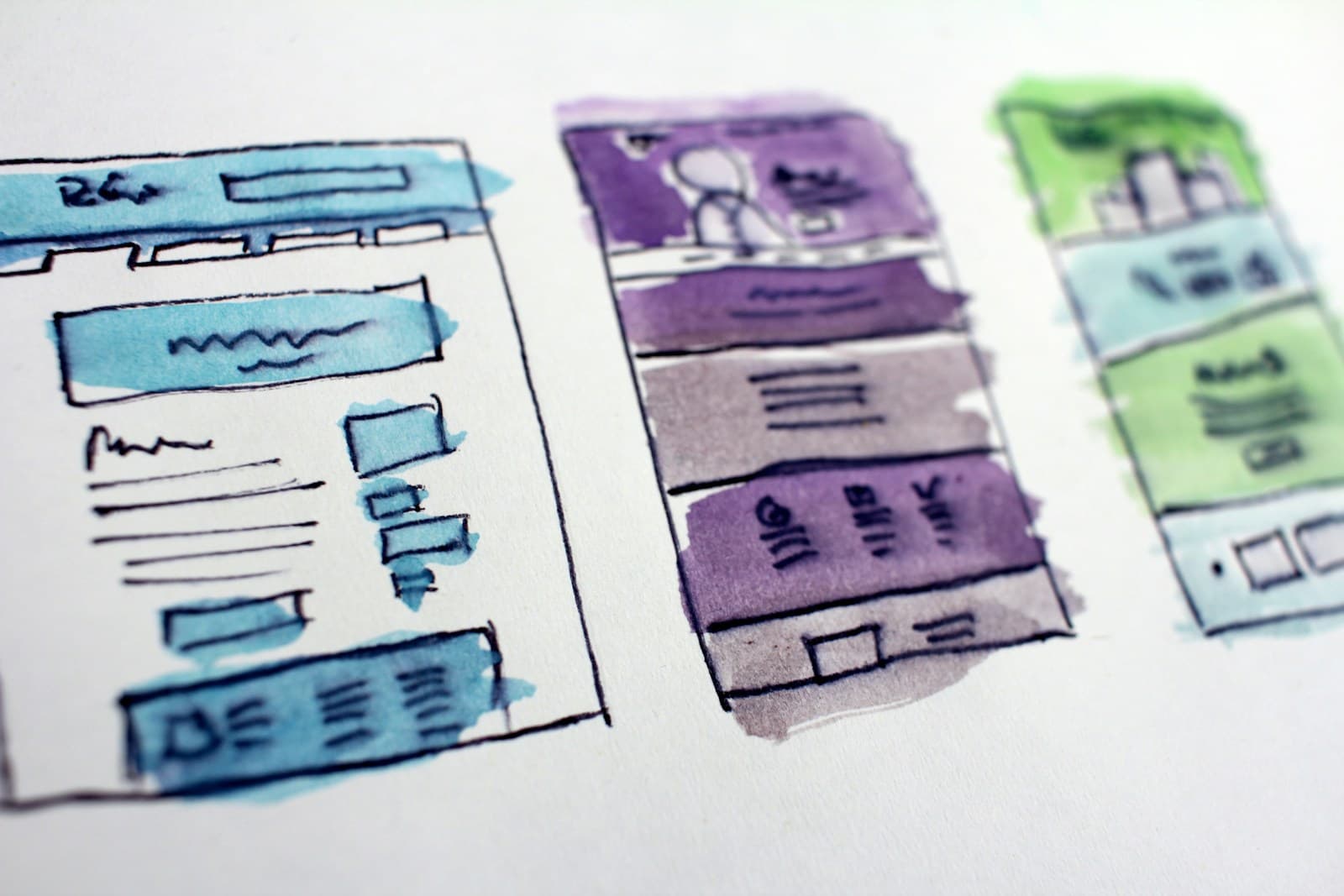
Focusing on accessibility is a signal of brand maturity. It shows that you care about every segment of your audience. In a market where many sites are still clunky and difficult to use, an inclusive, high-performance site stands out. It builds trust, improves your technical SEO rankings, and ultimately, drives more revenue. At Effect Design, we integrate these principles from the first wireframe, ensuring that your digital presence is ready for every user, regardless of how they access the web.