Schema Markup: The Secret to Technical SEO in Georgia
The Invisible Barrier: Why Your Georgian Business is Hidden from Google's Rich Snippets
Imagine your business is a high-end restaurant in the heart of Vera. You have the best Saperavi, the most talented chefs, and a stunning interior. But from the street, your windows are boarded up, and there’s no sign on the door. This is exactly how most Georgian websites look to Google’s search bots. You might have great content, but without structured data, you are invisible to the advanced features of modern search. In the world of technical SEO Georgia, having a fast site is only half the battle; the other half is ensuring that search engines actually understand what your data represents.
Most local businesses in Tbilisi or Batumi settled for a "blue link and a description" years ago. But in 2026, the search results page has evolved into a rich, interactive landscape. If you search for a product and see a result with a price, a star rating, and "In Stock" status, you are much more likely to click it than a plain text link. Studies suggest that "rich results" can increase click-through rates by up to 30%. By ignoring schema markup, you are essentially handing that 30% of traffic to your competitors who have invested in a more sophisticated technical SEO strategy.
Schema Markup: Giving Search Engines the "Key" to Your Content
Schema markup is a universal vocabulary of tags that you add to your HTML to help search engines understand your content. It’s the difference between Google seeing the number "150" and Google understanding that "150" is the price of a hotel room in GEL. When you implement structured data, you aren't just improving your rankings; you are improving your communication with the algorithm. This is a core component of any Technical SEO project we undertake at Effect Design.
For a Georgian e-commerce site, this means your products can appear with live prices and reviews directly in the search results. For a professional service provider, it means your name, address, and phone number (NAP) are verified across the web, building the "Trust" component of Google's E-E-A-T (Experience, Expertise, Authoritativeness, and Trustworthiness) framework. In a market where trust is the primary driver of high-value conversions, this technical bridge is non-negotiable.
Local SEO and Organization Schema: Winning the Tbilisi Map Pack
If you want to appear in the "Map Pack"—the three local businesses that Google shows at the top of a search for local services—you need Organization and LocalBusiness schema. This is where many a Tbilisi digital agency fails their clients by focusing only on keywords. Search engines need to know your exact coordinates, your opening hours (especially during local holidays), and your physical relationship to the neighborhoods you serve, like Saburtalo or Vake.
The Power of FAQ and Product Schema
One of the most effective ways to dominate search real estate is through FAQ schema. By marking up your frequently asked questions, you can take up twice as much vertical space on the results page. This pushes your competitors further down the screen and provides immediate value to the user. For a Georgian real estate developer, this could mean answering questions about mortgage terms or construction deadlines directly in the search snippet.
Similarly, Product schema is the lifeblood of retail. It allows Google to display your "Price Drop" alerts and specific attributes like "Handmade in Georgia." These visual cues act as trust signals, reducing the friction between the search query and the final purchase. When a user sees that a product has 50 positive reviews before they even click the link, the "hard work" of selling is already half-done.
Implementation in the Modern Web: Next.js and JSON-LD
In 2026, we no longer recommend "microdata" (tags scattered through your HTML). The industry standard is JSON-LD—a clean block of code that sits in the head of your page. This approach is much easier to maintain and is preferred by Google because it separates the data from the visual design. Using a modern framework like Next.js allows us to generate this schema dynamically for every product, blog post, or service page on your site.
- Automated Generation: Your site should automatically pull data from your database to generate valid schema, ensuring your prices are always accurate in search results.
- Validation is Key: We use the Schema Markup Validator and Google’s Rich Results Test to ensure every byte of data is perfect. One missing comma can invalidate the entire block.
- Language Awareness: For trilingual Georgian sites, we ensure the schema reflects the user's language, providing a localized experience even before they visit the site.
Measuring the Impact: From Impressions to Real Revenue
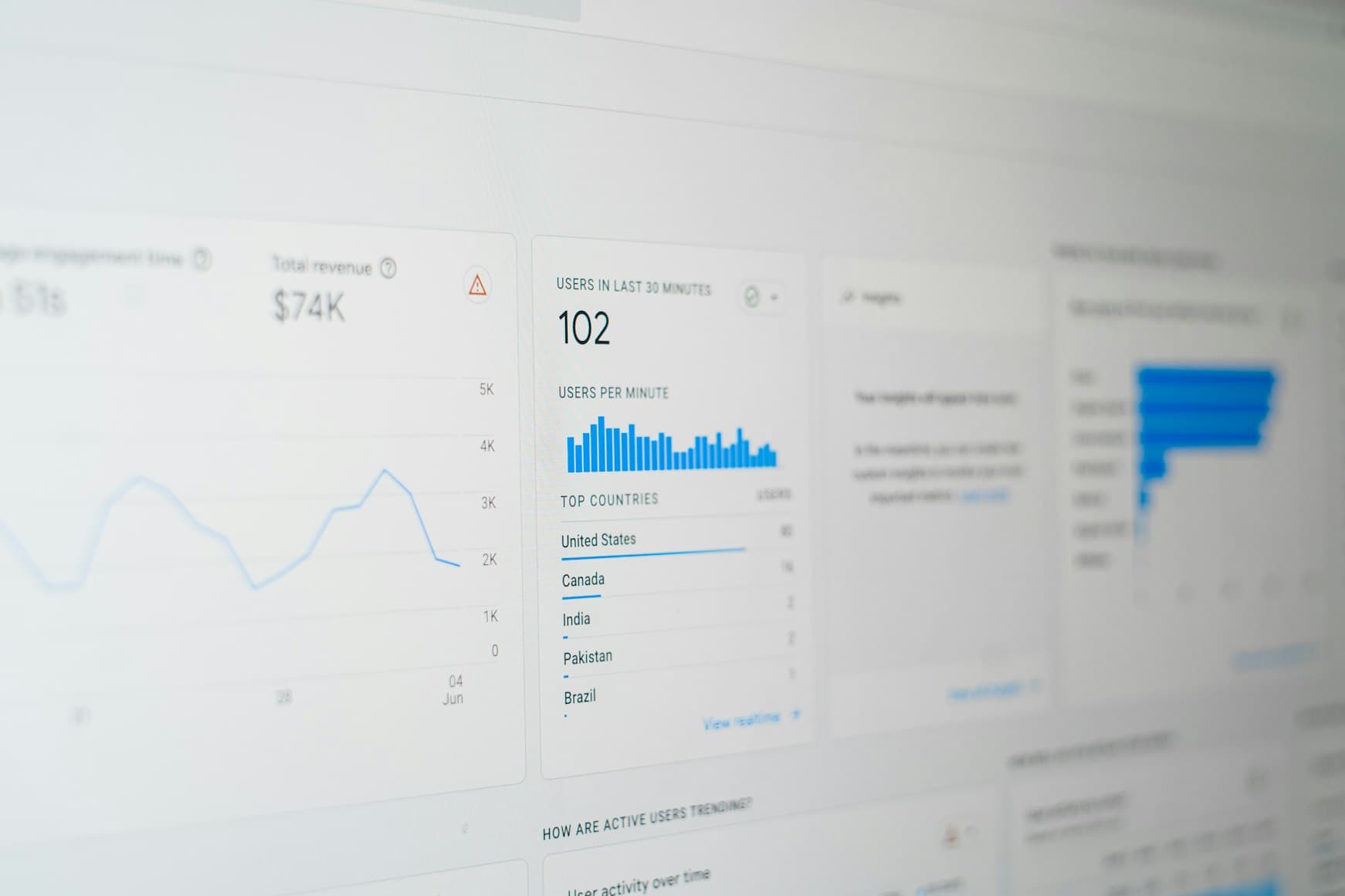
The beauty of technical SEO is that its impact is measurable. By using Google Search Console, you can track exactly how many times your "Rich Results" were shown and how many people clicked them. We typically see that while the total number of impressions might stay the same, the Click-Through Rate (CTR) and the Quality of Traffic improve significantly. Users who click on a rich result with a price and rating already have a higher intent to buy than those clicking blindly.
Ultimately, schema markup is about future-proofing. As AI-driven search engines (like Search Generative Experience) become more prevalent, they will rely even more heavily on structured data to "understand" the world. By implementing these standards today, you are ensuring that your Georgian business remains relevant and authoritative in the next decade of the digital economy.