Offline-First: Why Georgian Apps Need to Work Without a Signal
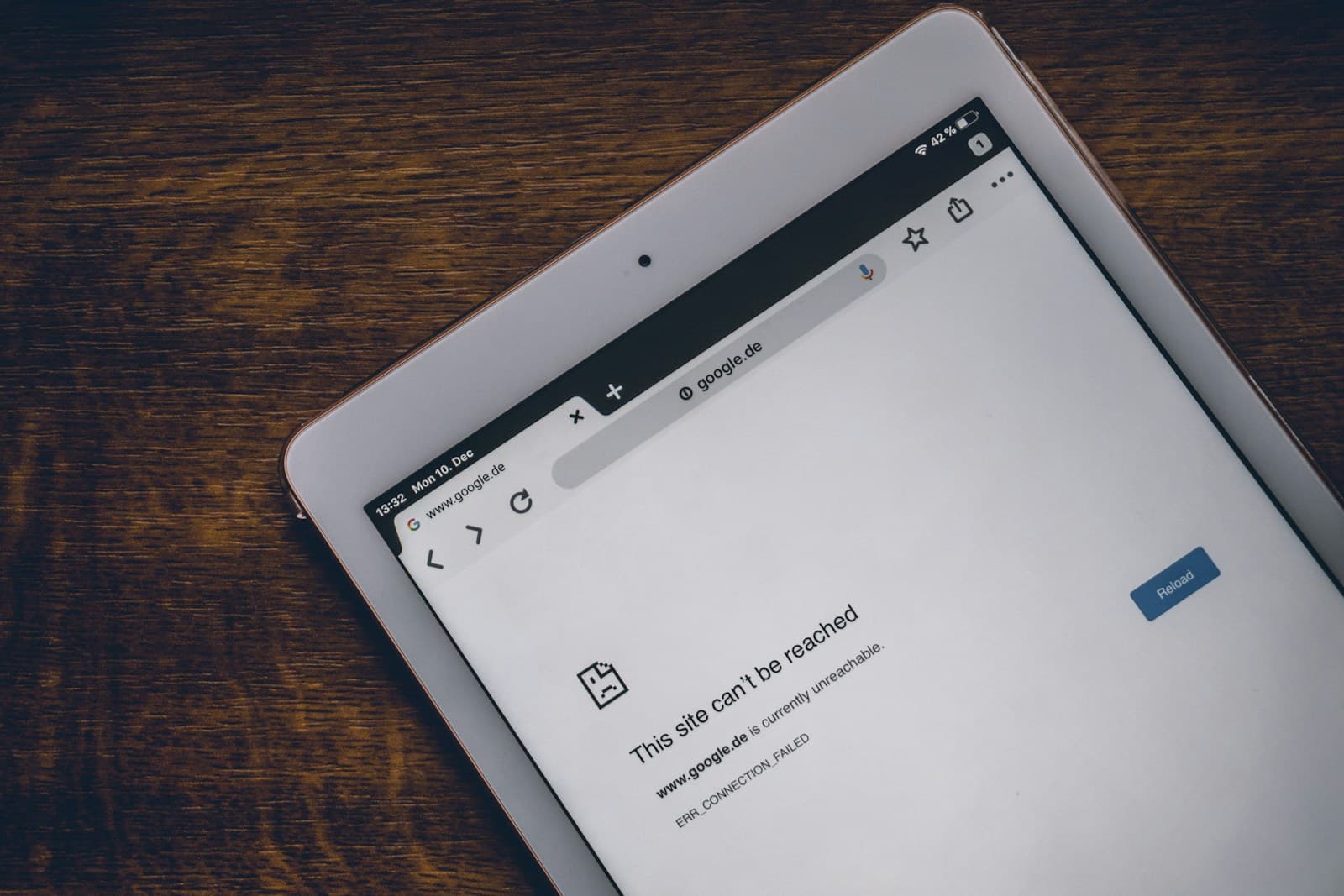
The 'No Service' Nightmare: Why 5G Isn't Enough in Georgia
Picture this: a delivery driver is navigating the winding roads of Svaneti, or a tourist is checking a trail map in Kazbegi. Suddenly, the signal bars vanish. If your app displays a generic "No Internet Connection" screen and freezes, you haven't just lost a user—you've failed a critical business process. In the competitive landscape of app development Georgia, 2026 has proven that connectivity is a variable, not a constant.
Offline-first design is the architectural philosophy that an app should be fully functional without an active internet connection. It treats the network as an enhancement, not a requirement. For Georgian businesses in logistics, tourism, and field services, this isn't a 'nice-to-have' feature; it's the difference between a tool and a toy.
The Architecture of Resilience: How it Works
Traditional apps rely on a 'Request-Response' cycle. You click, the app asks the server, the server answers. If the middle step fails, the app breaks. Offline-first apps use a local-first data layer. Every action the user takes is written to a local database on the phone first, and then synchronized with the server when a connection becomes available.
Key Mobile UX Patterns for Connectivity
Three patterns make the biggest difference here. Optimistic UI means showing success immediately — don't make a user wait on a server round-trip from a mountain road to a Frankfurt data center. Background Sync uses OS-level background tasks to upload data silently once the user hits a 4G zone in Georgia, with no user interaction required. Conflict resolution — a clear rule like "Last Write Wins" — ensures that edits made on two devices during the same offline window don't create data collisions when they sync.
Technical Implementation: IndexedDB and Service Workers
For web-based apps and PWAs, the combination of Service Workers and IndexedDB provides a powerful foundation. For native mobile apps, libraries like SQLite or WatermelonDB are the industry standards. The core pattern is the same regardless of the stack: when a user taps "Save," the action is written to a local database on the device immediately, and the UI reflects success right away. A background sync manager queues the server upload and handles it whenever connectivity returns. The user never waits on a network round-trip, and no data is lost during a dead zone.
Why Georgian Logistics Apps Must Adapt
Georgia's geography is spectacular, but it's a nightmare for consistent cell coverage. Logistics companies operating between Georgia face hundreds of 'dead zones.' If a courier cannot mark a package as delivered because of a tunnel or a mountain, your data becomes stale.
Web development Georgia experts now prioritize local caching of critical paths. An offline-first app allows the courier to continue their workflow, scan barcodes, and collect digital signatures. Once they hit the next cell tower, the system catches up automatically. This leads to higher employee productivity and 100% data integrity.
What Actually Matters When Building for Georgia's Network Reality
Not everything in an app needs to work offline — trying to make all features available without a connection adds unnecessary complexity. The right approach is identifying the critical path: the 20% of functionality that represents 80% of actual usage, like order forms, route maps, or delivery status. Those get the offline treatment; the rest can degrade gracefully.
Users need clear visual signals when the app is operating in offline mode. An icon or status indicator that distinguishes "Pending Sync" from "Cloud Saved" removes uncertainty and builds trust. On the data side, keeping payloads lean with compressed formats means syncs complete quickly even on a weak 3G signal — critical on mountain roads where you might only have a few seconds of signal before the next dead zone. Battery is also a factor: constant polling for reconnection drains it fast; exponential backoff between retry attempts is the right approach. And before shipping, test on an actual rural connection, not just a Georgia office Wi-Fi — the experience gap will surprise you.
The Business Case: Reliability is Loyalty
In 2026, user expectations have peaked. A 'crash' due to network failure is seen as a lack of professionalism. By investing in offline-first architecture, you are building trust with your users. You are telling them that your service works wherever they are—from the heart of Vake to the furthest village in Kakheti.
At Effect Design, we don't just build apps that look good; we build mobile solutions that work in the real world. Our team understands the unique challenges of the Georgian digital landscape, ensuring your business stays online even when your users go offline.